
Principal Investigator
Thomas Idée, PhD
Department: Columbia genetic Research Institute
Purpose and rationale
Spiders are useful in biocontrol and pest suppression, especially in agricultural settings. However, spiders are considered ‘generalist predators’ and there is concern that they may disrupt local ecosystems when they are deployed. The current study explores whether genetically engineering an apex predator spider would simplify implementation for pest suppression. Specifically, we propose introducing the genetic material for high-tensile silk from kukulcania hibernalis, enhanced saltatory locomotion from dElena cancerides, and hyper-reflexivity from Agelenopsis spatula into a Steatoda grossa ova. The study’s purely utilitarian aim is to develop enhanced spiders.
Sample Size
Typically, Steatoda grossa egg sacs contain over 100 eggs, but because of the genetic engineering, the number of successfully hatched offspring may be smaller. There will probably be 15 though—just a hunch.
Research Locations
We will conduct the genetic engineering and breeding procedures in a secure location, which will only be accessible through keycards distributed only to trained members of the research team. Once hatched, however, we will store the successfully hatched spiders in the Low Library rotunda where we will also host untrained high school students who are only touring the university. We do not foresee any safety concerns with this proposed arrangement.
Procedures InvolveD
We will run behavioral tests on the spiders to quantify their jumping, spider-webbing, and ninja reactions. No biospecimens will be collected from the super spiders as this may harm them and they are fascinating because they can long-jump, react rapidly, and spin strong webs. These spiders will be useful in agricultural settings because they are really cool and we predict these factors will make these super spiders effective predators. Again, totally altruistic and utilitarian reasons for doing this research.
Sharing Results with Participants
Once the super spider is created, we do plan on displaying it in front of its spider friends so they can their own inferiority in the face of SUPER SPIDER.
consent process
There is no consent process because spiders have no masters who can provide consent on their behalf. Also, spiders would probably want to contribute to super spiders.
Financial Compensation
THere is no payment plan. Spiders do not use currency.
Audio/Video Recording/Photography
We will have several large screens mounted on a central metal cylinder that, for some reason, will occupy a large portion of the university’s foyer. The screens will be mounted considerably above eye-level, so that researchers will have to spend large amounts of time tilting their head back to see the screens.
Potential Risks to Participants
We foresee no risks with the below research save that other spiders might be jealous that the super spiders will eat all of the prey. And the high schoolers may be envious too—that they don’t have super cool spider powers. Although, what if one of them was bitten and they became like a spider-human hybrid? That would be crazy… and impossible because we will have secure protocols where they can only look at the super spiders.
Potential benefits of this research
Again, totally altruistic and utilitarian reasons for developing these spiders. For use in agriculture! Also, bonus points for having super spiders that nobody else has.
Qualifications of Research Team to Conduct the Research
Dr. Thomas Idée (yours truly) has a PhD from the Wisconsin University in Japanese Poetry, but he is something of a scientist himself. He is currently teaches a course on Japanese language in the university’s East Asian Language and Cultures department. Anyway, please let him do this—he really needs it.
explain the joke
This is a parody of the narrative device that is the radioactive-spider that is (mostly) canon to the SPIDEr-Man universe and this post is mostly based on the “Raimi-verse” Spider-Man movies. The overall joke is the lack of motivation and beneficence for developing a spider that has the odd genetic combination of ‘jumping far, high-tensile silk, and hyper-reflexes’. Because of this lack of motivation, I devised my own narrative device that is basically the ‘mad scientist’ trope—how else could we explain the procedures in this study.
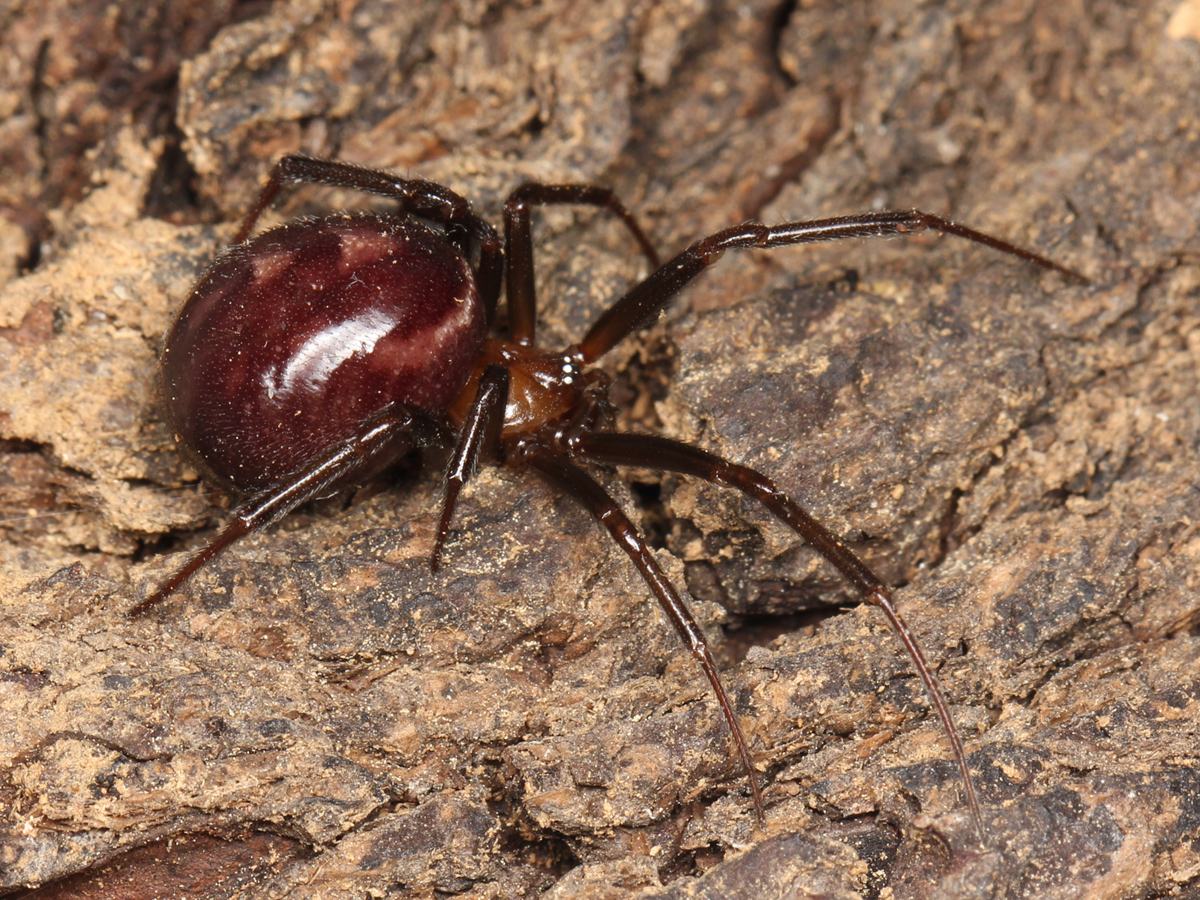
The reference to only “15” spiders references to how steatoda grossa spiders’ egg sacs can have up to 100 eggs although only 15 specimens are maintained by the in-movie spider lab. Of note, i Could not find a source for the 40–100 eggs per egg sac range that is stated by multiple search results.
For “Research Location”, I point out the baffling choice to have high schoolers—who may not even be interested in genetic engineering—walk through the lab even though most labs aim to be secure and protect their work.
In the same vein, having the research be conducted in what appears to be a well-decorated part of the university is also baffling. Even if either the university could not offer any other space or the lab is exceedingly well-funded, the choice to dedicate much of that space to a large column for holding monitors is questionable. To my further confusion, the monitors are all mounted above eye-level and at shallow angles so anyone who wished to look at them would have to not only crane their heads, but also stand at a distance.
Lastly, the name “Thomas Idée” is a reference to a family of spiders that I came across while researching this post: Family Thomasidae are a set of ‘Crab spiders’ and, at least, misumena vatia lives up to that name.
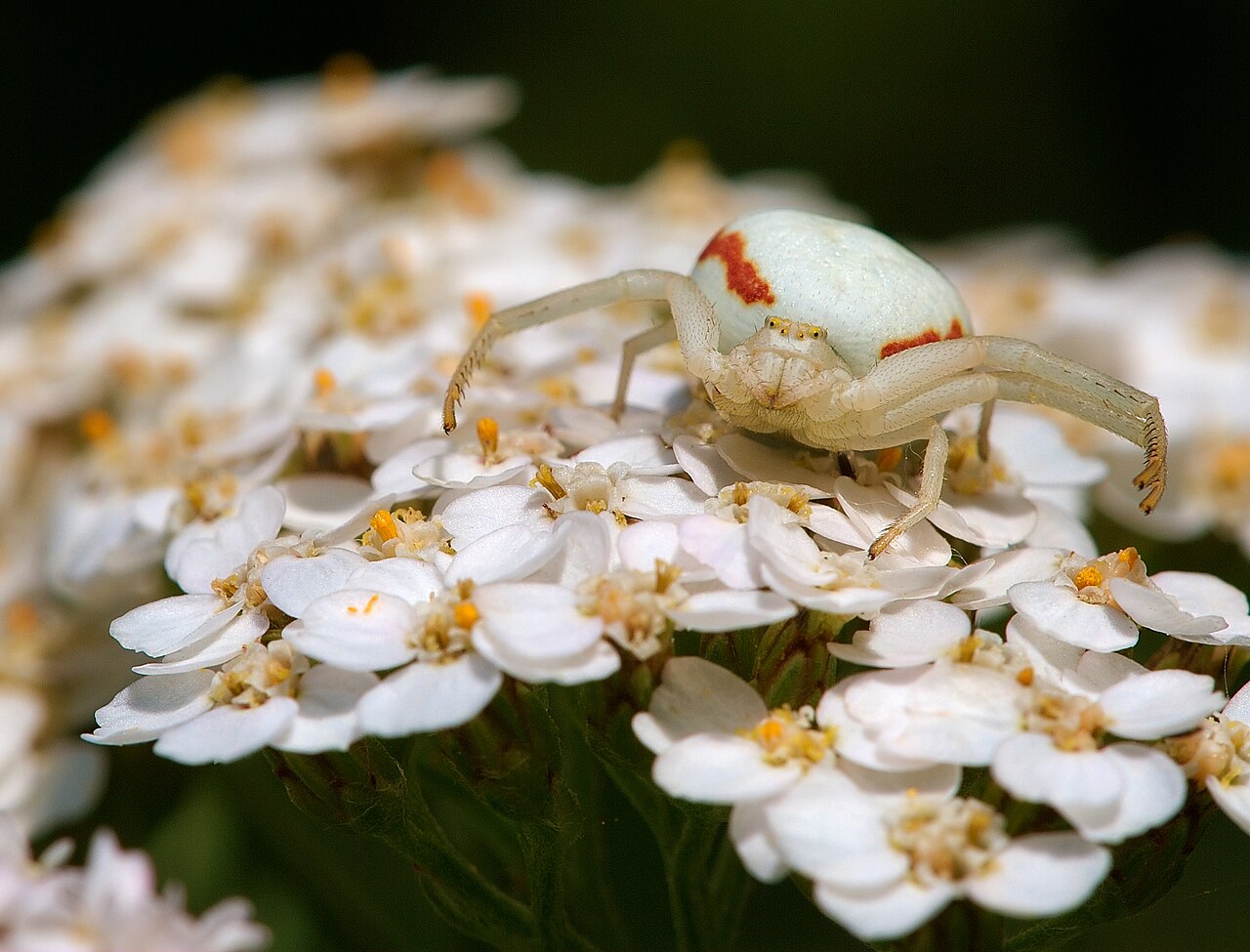
To further situate our fictional doctor’s status as a ‘mad scientist’, I gave him very little expertise by having his credentials be reasonably removed from work with spiders.
 Strange As It Is

